
In real estate, a fixture is any item that was once movable but is now permanently attached to the property. Think of things like built-in appliances, ceiling fans, or wall-mounted shelving. Fixtures are considered part of the real property and typically stay with the home when it’s sold — unless stated otherwise in the contract.
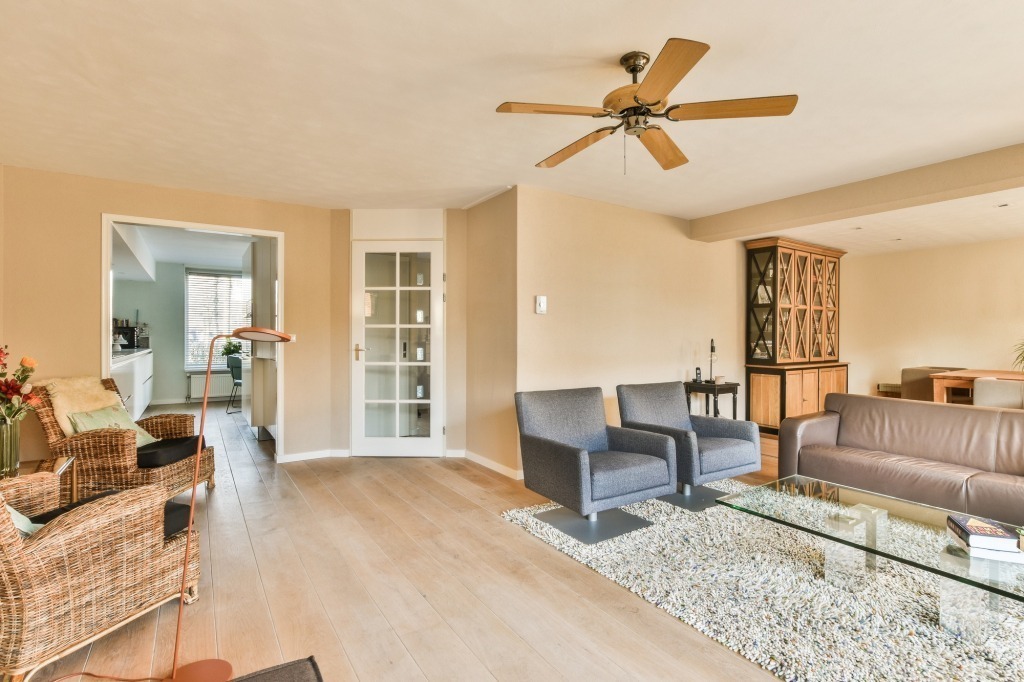
Why does this matter? Because disputes over what’s a fixture and what’s personal property can tank a deal. You might assume the flat-screen TV mounted to the wall stays — but the seller might be planning to take it. In places like Lake Marion, where vacation homes are often sold furnished or partially equipped, it’s critical to clarify what comes with the home.
Real vs. Personal Property — The Fixture Test
Let’s break it down:
Real Property = land and anything permanently attached (fixtures)
Personal Property = movable items not permanently affixed (furnishings, decor)
To determine whether something is a fixture, South Carolina courts often apply the IRMA Test:
- Intent – Did the owner intend the item to be permanent?
- Relationship – Is the owner the one who installed it?
- Method – How is it attached? Screwed in? Bolted?
- Adaptation – Is the item customized for the space?
For example, a built-in bench around a breakfast nook is likely a fixture. A freestanding dining table? That’s personal property. A TV mount is a fixture, but the TV itself is not — unless the contract says otherwise.
Common fixtures include:
- Light fixtures and chandeliers
- Wall-to-wall carpeting (but not rugs)
- Built-in cabinetry and shelves
- Attached mirrors and vanities
- Garage door openers
- Landscaping (trees, shrubs)
In Lake Marion’s resort-style communities, even docks, lifts, and boat houses may be treated as fixtures under certain agreements.

Fixtures and the South Carolina Real Estate Contract
South Carolina’s standard purchase agreement includes a fixtures clause, which outlines what is assumed to remain with the home. However, gray areas still exist — especially with luxury homes, lakefront cabins, and vacation properties.
Buyers and sellers should be clear about:
- What is included (fixtures, appliances, mounted TVs)
- What is excluded (heirloom light fixture, detached hot tub)
- Any rented items like security systems or propane tanks
Pro Tip: Always put exclusions and inclusions in writing. Never assume. Carolina Properties helps clients write crystal-clear contracts to avoid last-minute disagreements.
A common Lake Marion example: sellers may list a home with a private dock, but if the dock is technically permitted by the state and not deeded to the land, it may not automatically transfer. These nuances matter.
Legal Disputes Over Fixtures in South Carolina
Fixture disputes can make it all the way to court. A few examples:
- A buyer sued when a seller removed an antique chandelier that matched the home’s style. The court sided with the buyer — it was a fixture.
- A seller took the custom built-in wine fridge. The buyer claimed it was part of the cabinetry. A settlement was reached before trial.
- In Charleston, a beachfront home sale included a built-in outdoor kitchen. The buyer arrived post-closing to find it dismantled. The court ruled in favor of the buyer.
These disputes happen not because people are trying to be deceptive — but because they didn’t document the expectations clearly. The rule of thumb: if it takes tools to remove it, it probably stays.
What Buyers and Sellers Should Always Clarify
Whether you’re buying or selling near Lake Marion, here’s what you should specify in writing:
- Which appliances stay (fridge, washer/dryer, built-in microwave)?
- Are any window treatments (blinds, shutters) being removed?
- Will outdoor furniture, fire pits, or garden features stay?
- What about TVs, mounts, and smart home systems?
- Are docks, lifts, and sheds part of the sale?
- Any security equipment or cameras installed?

Carolina Properties often adds an inclusion/exclusion addendum to ensure everything is spelled out clearly. This avoids the “he said, she said” situations on closing day.
Buyers should also do a pre-closing walk-through to ensure all agreed-upon fixtures are still present. Sellers should disclose anything they plan to remove, even if they believe it’s personal property.
FAQ: Fixtures in South Carolina Real Estate
Q: What happens if a seller removes a fixture after signing the contract?
The buyer can demand its return, sue for damages, or delay closing. This is considered a breach of contract if the fixture was not excluded.
Q: Are ceiling fans and light fixtures always considered fixtures?
Yes, unless specifically excluded in the contract. They are typically hardwired and attached.
Q: Is a hot tub a fixture?
If it’s built-in or permanently wired, yes. If it’s freestanding and unplugged, it may be considered personal property.
Q: Do docks at Lake Marion count as fixtures?
Depends. If they are permitted, deeded, and attached to the land, yes. But some docks are leased or float on state-owned water — so check before assuming.
Q: Can sellers legally remove fixtures before listing the home?
Yes, but they should disclose it and remove the item before showings to avoid confusion or disappointment.
Q: Is a wall-mounted TV a fixture?
Usually no — the mount is the fixture, but the TV itself is personal property unless agreed otherwise.
Don’t Let a Missing Fixture Sink Your Deal — Work With Carolina Properties
Buying or selling a Lake Marion home? Don’t leave things to chance. Let Carolina Properties:
- Draft clean, dispute-proof contracts
- Help you identify and list fixtures and exclusions
- Coordinate inspections and walk-throughs
- Protect you from common legal headaches
Whether it’s a dock, a chandelier, or a built-in grill, we make sure every detail is covered — so you can close with confidence.
Call Carolina Properties Today to get expert guidance on your next real estate move.