
If you’re planning to buy a home in 2025, the good news is that qualifying is still very possible — even if your credit isn’t perfect or you don’t have 20 percent down.
Lenders have adjusted to higher interest-rate environments with more flexible programs, and first-time buyers across South Carolina are using smaller down payments than ever before.
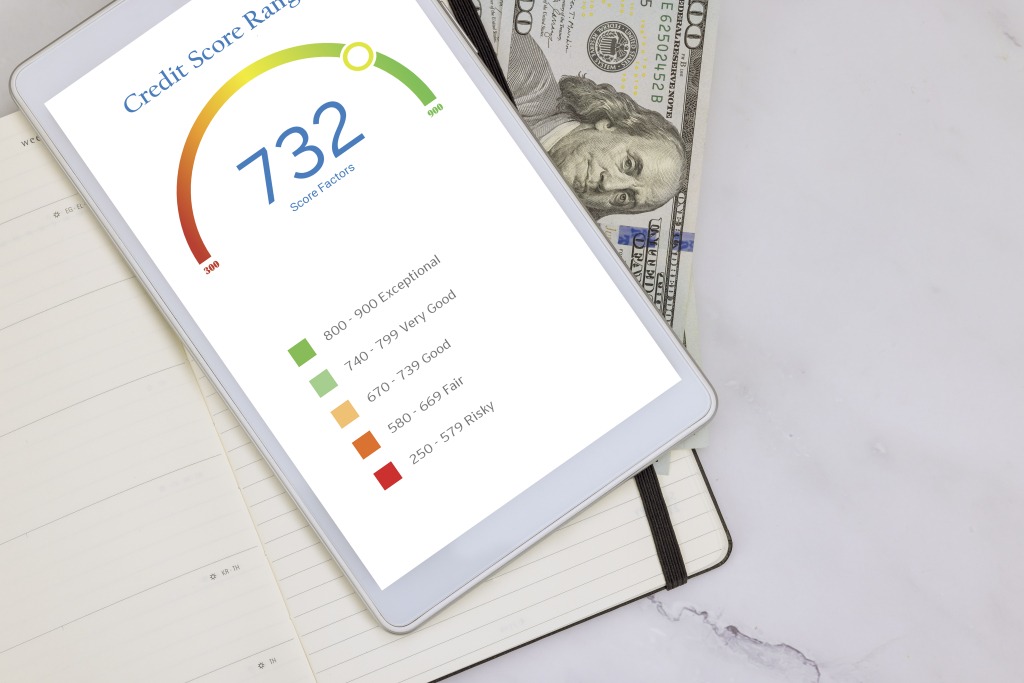
Here’s the quick snapshot:
- Minimum credit score: Around 580 for FHA loans and 620 for most conventional loans.
- Typical down payment: 3 to 5 percent for conventional, 3.5 percent for FHA, 0 percent for VA and USDA.
- Ideal range: A score of 700 or higher and 10 percent or more down will secure better rates and lower costs.
That means buyers with steady income and reasonable debt loads can still achieve homeownership — especially with expert guidance and the right financing strategy.
Credit Score Basics — How Lenders Decide
A credit score remains one of the most important indicators of loan approval and interest-rate eligibility. The higher your score, the less risk a lender perceives, and the better terms you’ll receive.
Here’s how most 2025 lenders view credit tiers:
- 760 and above: Excellent — qualifies for the best available interest rates.
- 700–759: Very good — strong approval odds with competitive pricing.
- 660–699: Average — approval likely, but may face slightly higher rates.
- 620–659: Fair — meets the minimum for many conventional loans; expect tighter underwriting.
- 580–619: Borderline — eligible for FHA with compensating factors such as higher income or larger down payment.
- Below 580: May require credit counseling or non-traditional programs.
Tips to Improve Your Credit Before Buying
- Pay down revolving balances to below 30 percent of your limits.
- Avoid opening new accounts or taking on auto loans within six months of applying.
- Check your reports at AnnualCreditReport.com and dispute any errors early.
- Keep older accounts open to preserve credit history length.
Even a 20-point improvement can reduce your mortgage rate enough to save thousands over the life of your loan.
Down Payment Requirements by Loan Type
Different loan programs have different cash requirements — and the options in 2025 are more diverse than most buyers realize.

Conventional Loans
- Minimum down: 3 percent (through Fannie Mae HomeReady or Freddie Mac Home Possible).
- Typical buyer average: 5–10 percent.
- Credit requirement: 620 or higher.
- Private Mortgage Insurance (PMI): Required if under 20 percent down, but can be canceled once equity reaches 80 percent.
FHA Loans
- Minimum down: 3.5 percent (580 credit score or higher).
- Credit 500–579: Possible with 10 percent down and manual underwriting.
- Best for: First-time buyers or those rebuilding credit.
Jumbo Loans
VA Loans (for eligible veterans and active service members)
- Down payment: 0 percent.
- Funding fee: Varies based on service history and down payment amount.
- No PMI required, which saves hundreds monthly.
USDA Loans (for rural and suburban areas)
- Down payment: 0 percent.
- Credit score: 620 preferred, but exceptions allowed.
- Income limits: Based on county and household size.
(for higher-priced homes)
- Typical down: 10–20 percent.
- Credit: 700 or above.
- Documentation: Stricter income and asset verification.
These ranges can shift slightly with each lender, but the takeaway is clear: low- and no-down-payment options remain available statewide — from Charleston to Beaufort to Lake Marion.

How Much Cash You Really Need at Closing
Down payment isn’t the only upfront cost. Buyers should also plan for closing costs, which typically equal 2 to 5 percent of the purchase price and cover items such as:
- Loan origination and underwriting fees
- Appraisal and credit reports
- Title insurance and attorney fees
- Recording and transfer charges
- Prepaid taxes and insurance escrows
Example:
On a $350,000 home with 3.5 percent down, you’d invest about $12,250 for the down payment plus roughly $8,000–$10,000 in closing costs.
However, buyers can often negotiate closing-cost assistance from sellers, lenders, or local grant programs. Many counties across South Carolina offer down-payment assistance for qualifying first-time buyers or essential-service workers.
Your Carolina Properties agent can help identify which programs apply in your area and coordinate directly with lenders who participate.
How Debt-to-Income Ratio Affects Approval
Even with good credit and cash saved, lenders look closely at your debt-to-income (DTI) ratio — the percentage of monthly income used for debt payments.
Most mortgage programs prefer:
- 36 percent or below: Excellent — considered low risk.
- Up to 43 percent: Standard maximum for most conventional loans.
- Up to 50 percent: Allowed for FHA or VA if other strengths offset the risk.

Reducing credit-card balances or paying off small loans before applying can dramatically improve your approval odds. Your agent and loan officer will review this early to avoid surprises during underwriting.
Preparing Financially to Buy in 2025
A few smart moves can make the entire purchase process smoother and more affordable:
- Get pre-approved early.
A written pre-approval clarifies your price range and strengthens offers. - Budget for maintenance.
Plan 1–2 percent of the home’s value annually for repairs and upkeep. - Avoid large purchases.
Don’t finance vehicles or furniture before closing; new debt can derail approval. - Keep cash stable.
Lenders verify account balances again before closing — avoid transferring funds between accounts. - Consult local professionals.
South Carolina markets vary. What works in Summerville may differ in Beaufort or Orangeburg.
Preparation builds leverage: buyers who plan months in advance often secure better rates and find smoother closings.

How Carolina Properties at Lake Marion Helps Buyers Qualify and Succeed
At Carolina Properties at Lake Marion, we know financing can feel intimidating — especially for first-time buyers balancing credit, savings, and rising rates. Our team partners with trusted South Carolina lenders to simplify the process from the start.
Here’s what we do for every buyer:
- Personalized Financing Guidance: We connect you with loan officers who match programs to your goals — FHA, VA, USDA, or conventional.
- Credit Readiness Reviews: Before you apply, we help you understand what lenders will see and how to strengthen weak points.
- Local Grant and Assistance Access: We monitor state and county down-payment-aid programs and help you apply quickly when funding opens.
- Negotiation Support: Our agents know how to structure offers that include seller concessions or closing-cost credits without weakening your bid.
- Seamless Closing Coordination: From inspection to final signing, we track every step so you can focus on moving in, not paperwork.
Whether you’re buying your first home, relocating to the coast, or investing near Lake Marion, Carolina Properties brings the market knowledge, lender relationships, and steady communication you need to purchase confidently.
Work With Carolina Properties at Lake Marion
Owning a home in 2025 is still within reach — it just requires planning and the right guidance. Carolina Properties at Lake Marion helps South Carolina buyers navigate credit requirements, compare loan options, and build customized pathways to approval.
Call Carolina Properties today to schedule your buyer consultation or request a personalized financing overview.